

The Tupperware Exchange: An Archive of Borrowed Kitchens.
In student apartments across cities, reused food containers form an informal system of care that sustains life far from home.
Open the fridge in any student apartment, from a crowded flat in Milan’s Città Studi to a rainy attic in Amsterdam, and you will find an impostor.
It sits on the middle shelf, wedged between the almond milk and the pesto. It is rarely actual Tupperware. More often, it is a repurposed vessel: a 1kg Greek yogurt bucket, a cracked takeout box from the local Chinese spot, or an empty gelato tub that has long forgotten the taste of pistachio.
But look closer. The plastic is permanently stained a faint, sunset orange—the indelible mark of a tomato sauce or a turmeric curry.
In our community archive, these stained boxes are the most valuable artifacts we own. They are the currency of our "found families."
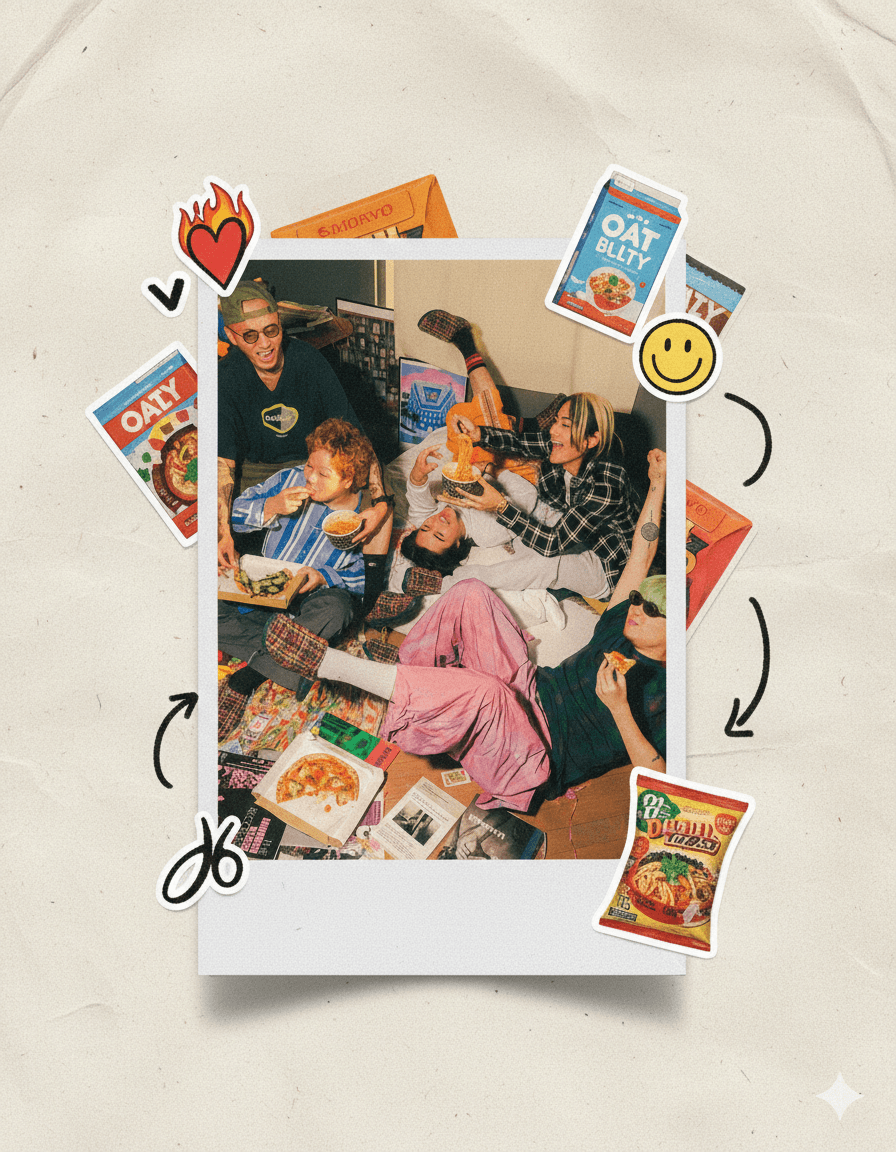
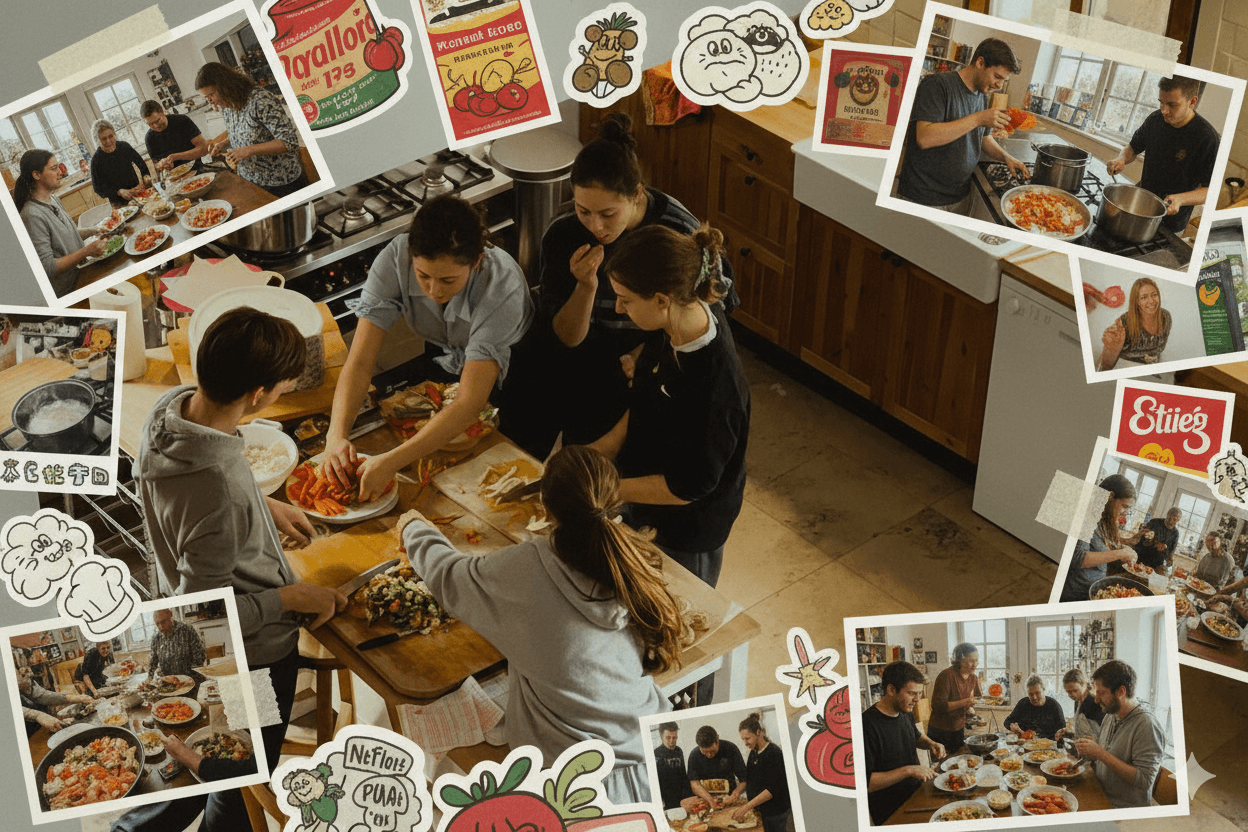
For those of us living far from the kitchens we grew up in, cooking is rarely just about hunger. It is about memory. And when we make too much—a pot of dumplings, a tray of lasagna, a slow-cooked stew—we don’t save it. We share it.
We hand these warm, mismatched boxes to our friends with a casual, "Here, I made too much." But the subtext is heavier, more delicate. It really means: I know you are stressed. I know you miss home. Let me feed you.
There is a sacred, unwritten rule in this exchange, known to every immigrant and international student: You never return a box empty.
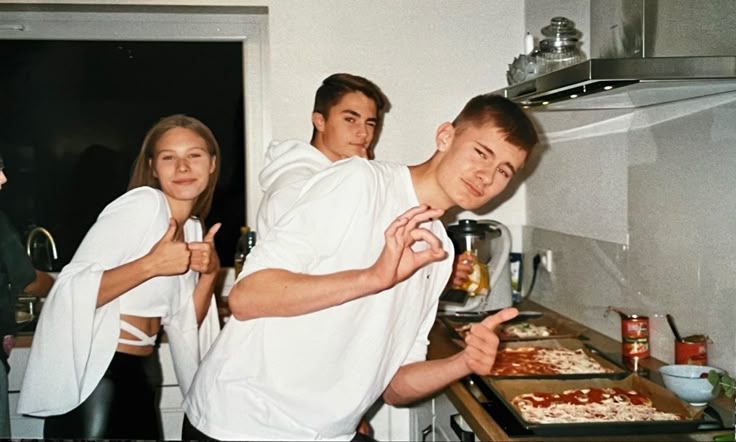
To return an empty container is bad luck. It breaks the circuit. So, the gelato tub that arrived holding ragù might leave a week later filled with chocolate cookies, or fresh grapes, or even just clean cutlery for the next dinner party.
In this way, the plastic box becomes a shuttle, weaving back and forth between our separate lives, stitching us together. It creates a cycle of care. It ensures that even when we are alone in our rooms, staring at a laptop screen, we are being nourished by someone else’s hands.
So, do not scrub that orange stain too hard. It is not dirt. It is the patina of love, proof that in this foreign city, we are not starving. We have each other.